
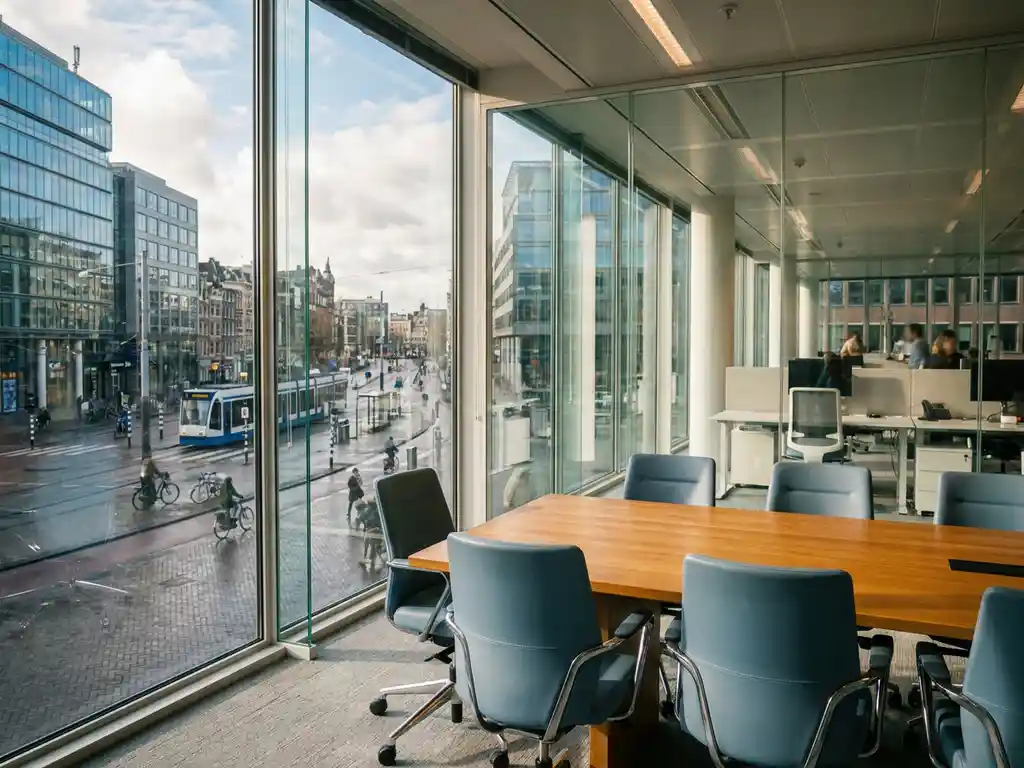
Choosing the right office space is a crucial decision that can significantly impact your business operations, employee satisfaction, and bottom line. With the evolving workplace landscape in 2026, companies have more options than ever before, from traditional leases to flexible co-working arrangements. Understanding the different types of office spaces available helps you make an informed decision that aligns with your business needs, growth plans, and budget constraints.
The office space market has transformed dramatically, offering solutions for every type of business, whether you’re a startup seeking flexibility or an established company looking for a permanent headquarters. Each option comes with distinct advantages, costs, and commitment levels that suit different organizational requirements.
What are the main types of office spaces available for businesses?
The main types of office spaces include traditional leased offices, serviced offices, co-working spaces, virtual offices, shared offices, and hybrid spaces. Each type offers different levels of flexibility, services, and commitment terms to accommodate various business needs and growth stages.
Traditional leased offices represent the most conventional approach, where businesses sign long-term contracts (typically 3-10 years) for dedicated space. These offices provide complete control over the environment, allowing for customization and branding while offering the most cost-effective solution for established companies with stable space requirements.
Serviced offices come fully furnished and equipped with essential business services like reception, IT support, and meeting rooms. These spaces typically require shorter commitments (monthly to yearly) and include utilities, cleaning, and maintenance in the rental fee, making them ideal for businesses that want immediate occupancy without setup hassles.
Co-working spaces offer shared environments where multiple businesses and individuals work alongside each other. These spaces provide networking opportunities, flexible membership options, and access to premium amenities that might be too expensive for individual companies to maintain.
Virtual offices provide a business address and communication services without physical workspace, perfect for remote teams or businesses that need a professional presence without the overhead of maintaining an office.
What’s the difference between serviced offices and traditional office leases?
Serviced offices are fully furnished, all-inclusive spaces with flexible terms, while traditional office leases are long-term agreements for unfurnished space where tenants handle setup, utilities, and services independently. The key difference lies in flexibility, included services, and commitment duration.
Serviced offices typically include everything needed to operate immediately: furniture, IT infrastructure, reception services, meeting rooms, and utilities. The monthly fee covers most operational expenses, making budgeting straightforward. Lease terms are usually flexible, ranging from monthly rolling contracts to one-year agreements, allowing businesses to scale up or down as needed.
Traditional office leases require significant upfront investment in furniture, equipment, and setup costs. Tenants are responsible for utilities, cleaning, security, and maintenance arrangements. However, this option offers greater control over the space design, potentially lower long-term costs for stable businesses, and the ability to build equity through improvements.
Cost considerations vary significantly between the two options. Serviced offices have higher monthly rates but lower upfront costs and include most services. Traditional leases have lower base rent but require additional expenses for setup, utilities, and services, making them more economical for long-term, stable occupancy.
The choice between serviced and traditional offices often depends on business stage, growth predictability, and cash flow preferences. Growing companies or those entering new markets often prefer serviced offices for their flexibility, while established businesses with predictable space needs typically benefit from traditional leases.
How do co-working spaces work for established businesses?
Co-working spaces work for established businesses by providing flexible workspace solutions, networking opportunities, and access to premium amenities without long-term commitments. Companies can rent dedicated desks, private offices within shared facilities, or use hot-desking arrangements based on their specific needs.
Many established businesses use co-working spaces strategically for satellite offices, temporary project teams, or expansion into new markets. This approach allows companies to maintain a presence in different locations without the overhead of traditional office leases. Co-working spaces also serve as testing grounds for new markets before committing to permanent locations.
The networking aspect of co-working spaces can be particularly valuable for established businesses seeking partnerships, collaborations, or new client relationships. These environments foster interaction between diverse companies and industries, potentially leading to business opportunities that wouldn’t occur in traditional isolated offices.
For established businesses, co-working spaces offer several membership tiers. Hot-desking provides access to shared workspace on a first-come, first-served basis. Dedicated desks offer assigned workspace in shared areas. Private offices within co-working facilities combine the benefits of dedicated space with shared amenities and community access.
However, established businesses should consider potential drawbacks, including limited privacy for sensitive discussions, less control over the work environment, and possible distractions from other members. Some co-working spaces now offer enterprise solutions with enhanced privacy and dedicated areas to address these concerns.
What should you consider when choosing office space type?
When choosing office space type, consider your budget, growth projections, required flexibility, team size, work culture, location needs, and specific operational requirements. These factors determine which type of office space best supports your business objectives and provides the most value for your investment.
Budget considerations extend beyond monthly rent to include setup costs, utilities, services, and potential expansion expenses. Calculate the total cost of occupancy for each option, including hidden costs like parking, security deposits, and service fees. Consider both immediate affordability and long-term financial impact on your business.
Growth projections play a crucial role in space selection. Rapidly growing companies benefit from flexible options like serviced offices or co-working spaces that allow for easy scaling. Stable businesses with predictable space needs can leverage the cost advantages of traditional leases. Consider whether you’ll need more or less space in the next 2-3 years.
Location requirements depend on your industry, client base, and employee needs. Consider proximity to clients, suppliers, transportation links, and amenities. Some businesses require prestigious addresses for client meetings, while others prioritize accessibility for employees or cost-effectiveness.
Operational requirements include specific technology needs, security requirements, storage space, meeting room access, and parking availability. Manufacturing or logistics companies may need specialized facilities, while creative agencies might prioritize collaborative spaces and natural light.
Company culture and work style also influence the best choice. Traditional offices offer complete control over the environment and branding, while co-working spaces provide energy and networking opportunities. Consider whether your team works better in quiet, controlled environments or thrives in dynamic, collaborative settings.
How First Real Estate helps with office space selection
We understand that selecting the right office space type can be overwhelming with so many options available. At First Real Estate, we provide comprehensive guidance to help you navigate the commercial real estate market and find the perfect workspace solution for your business needs.
Our services include:
- Detailed market analysis to identify suitable office space types based on your specific requirements
- Cost comparison analysis across different space types to optimize your budget
- Location scouting focused on your industry needs and growth objectives
- Negotiation support for lease terms, whether traditional or serviced office arrangements
- Due diligence assistance to ensure your chosen space meets all operational requirements
- Ongoing property management support to maximize your workspace investment
Our boutique approach means you receive personalized attention and tailored solutions rather than one-size-fits-all recommendations. We leverage our deep market knowledge and extensive network to identify both on-market and off-market opportunities that perfectly match your search criteria.
Ready to find your ideal office space? Contact us today to discuss your requirements, or explore our comprehensive services to see how we can support your commercial real estate needs with expert guidance and personalized solutions.
Benieuwd wat FIRST Real Estate voor uw vastgoed kan betekenen?
Onze specialisten denken graag met u mee over uw vastgoedvraagstuk en de mogelijkheden die daarbij passen.
Gerelateerde artikelen
- Welke data verzamelt een smart building over het gebruik van een kantoor?
- Welke kantoorruimte in Amsterdam past bij een snelgroeiend bedrijf?
- Hoe zorgt een nieuwe kantoorlocatie voor meer verbinding tussen collega's?
- Wat doet een verhuurmakelaar bij woningdeling?
- Welke kostenbesparingen levert hybride werken op bij het huren van kantoorruimte?